

Time Travelling with Furniture: From Retro to Modern

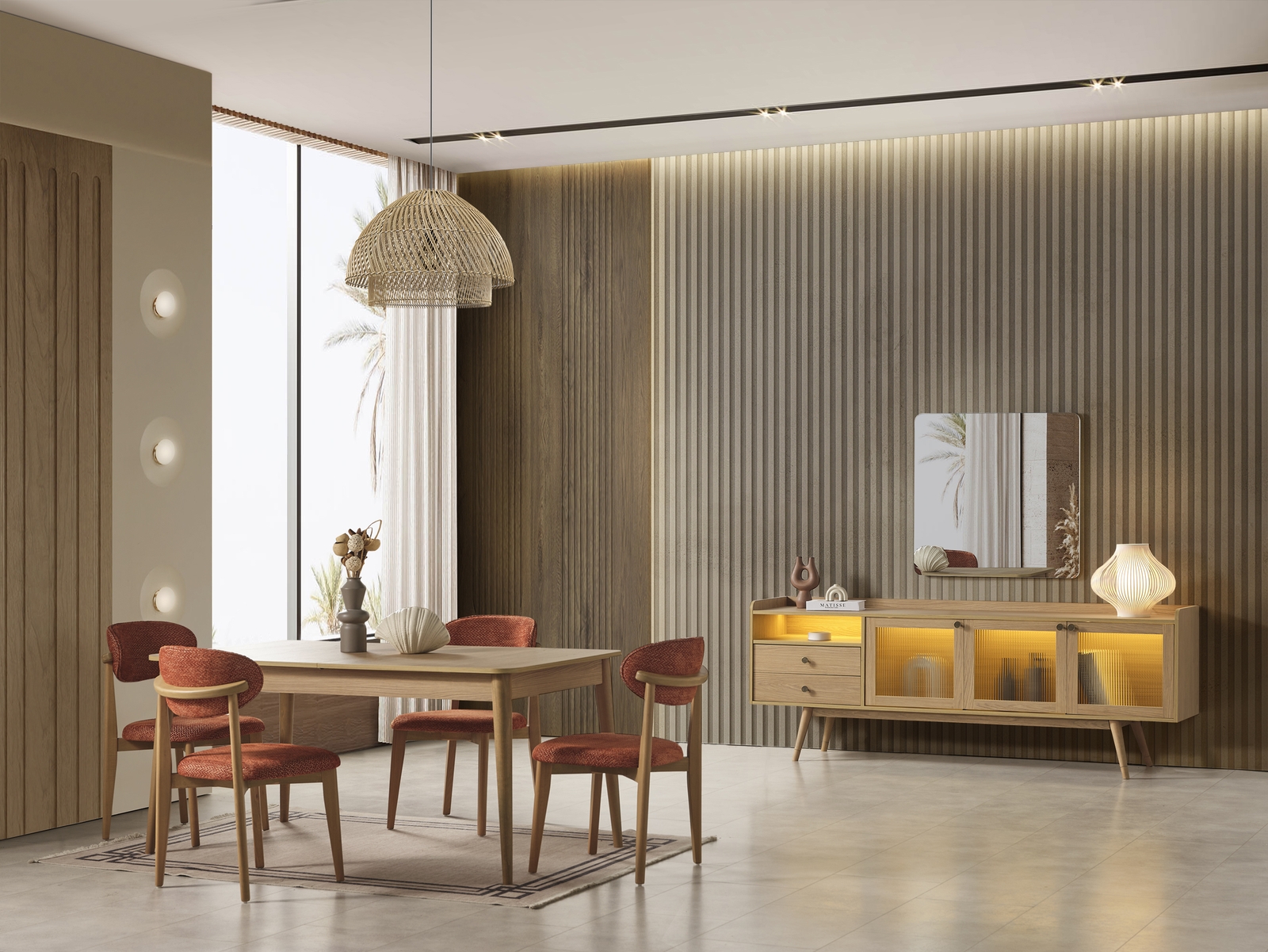
Time Travelling with Furniture: From Retro to Modern
Furniture is not only a tool that facilitates our daily lives; it is also a heritage that reflects the cultures from past to present, the lifestyles and aesthetic understanding of the periods. Each furniture style carries the spirit of its own period. Retro furniturewhile reflecting nostalgia and warmth, modern furniture emphasises functionality and minimalism. In this article, we look at the historical journey of the furniture and its transition from retro to modern.
1. The Spirit of Retro Furniture: Nostalgia and Warmth
Retro furniture bears the traces of the periods from the 1950s to the 1980s. It is characterised by vibrant colours, rounded lines, geometric patterns and striking fabrics. Retro furniture offers people not only a decoration style but also a longing for the past. Especially today, retro furniture decoration is preferred to add sincerity and warmth to homes. Many people like to add retro touches to their living spaces to balance the cold atmosphere of modern furniture.
2. From Classical to Contemporary: Evolution of Styles
When we look at the history of furniture, each period has its own language. While the 19th century's flamboyant classical furniture stood out with its carved details, heavy materials and splendour, this splendour gave way to simpler lines in the mid-20th century. People's rapidly changing lifestyles have increased the need for practical and compact furniture. This transition today modern furniture designsof the rise of the furniture. Functionality, simplicity and aesthetics have become sought-after elements in furniture at the same time.
3. The Rise of Modern Furniture: Simplicity and Functionality
Modern furniturehas become one of the most popular decoration trends in the 21st century. Minimalist lines, neutral colour palettes, natural textures and multi-purpose usage possibilities are the main features of modern designs. People now prefer to set up a more spacious and organised living space with fewer items. Minimal furniture designsadapts to the pace of modern life by offering both visual simplicity and functionality. In addition, modern furniture supports sustainability by being produced with environmentally friendly materials.
4. Combining Retro and Modern: Timeless Elegance
One of the most preferred approaches in decoration, modern furniture with retro furniture is to bring their styles together. For example, adding a retro armchair next to a modern armchair or combining a minimalist table with patterned retro chairs adds a timeless elegance to homes. This approach creates a unique atmosphere by blending the nostalgia of the past with today's functionality. Especially in recent years, "retro-modern blend" decoration styles are very popular among the young generation.
5. Time Travelling with Furniture: Culture and Identity
Furniture choices are not only a decoration preference, but also a reflection of personal identity. Retro lovers usually adopt a nostalgic, colourful and fun style, while those who prefer modern furniture reflect a more minimalist, tidy and innovative lifestyle. This is why furniture decoration It is not only a matter of interior organisation, but also of individuals' cultural background and understanding of the future.
Conclusion A Bridge from the Past to the Future
Furniture is a time machine that reflects the understanding of life of each period. Retro furniture brings the warmth and nostalgia of the past to the present, while modern furniture represents the functionality and simplicity of the future. Whether you want to travel to the past or carry the future to your home; with the right combinations, furniture can equip your home with a unique character.


